


Happy Earth Day Suchers,
Before we get into this week’s show, we want to point you to our very first NST listener survey. We want to hear from you all to get some feedback on what you like about the show, what you don’t like, and more. Just fill out this survey right here. Okay, now time for this week’s episode.
Growing up, we were told to always recycle plastic to save the planet. But does recycling actually do anything? In this special two-part investigation, we explore the history of recycling, the rise of “disposable” plastics, and find out how effective recycling actually is.

(Apple, Spotify, YouTube, Others)
In part one (with the help of Nayeema Raza, host of Smart Girl Dumb Questions), we hear from Davis Allen, PhD, Senior Investigative Researcher at the Center for Climate Integrity, who alleges that plastic recycling is a deceptive story created by fossil fuel and petrochemical companies to make us feel guilty for using the very plastics which they profit from. Davis says recycling is a distraction from the real problem.
(Apple, Spotify, YouTube, Others)
In part two, we visit a recycling center here in New York and speak with Kara Napolitano, Education Director at Circular Services to find out how recycling actually works, learn the amount of bottles that actually make it to the recycling facility, and reckon with our own individual impact to determine if recycling is a viable solution to our climate crisis or simply a feel-good placebo in an ever-expanding consumer culture. Take a listen and let us know what you think. Scroll down to see some photos and videos from our field trip, links to the Center for Climate Integrity’s reports, and more.
Here’s some footage from our field trip the Sunset Park Material Recovery Facility:
And check out Circular Service’s Instagram page for some more informative videos, like this:
Related links!
Check out the Center for Climate Integrity’s report here: The Fraud of Plastic Recycling
Nayeema’s video for the New York Times:
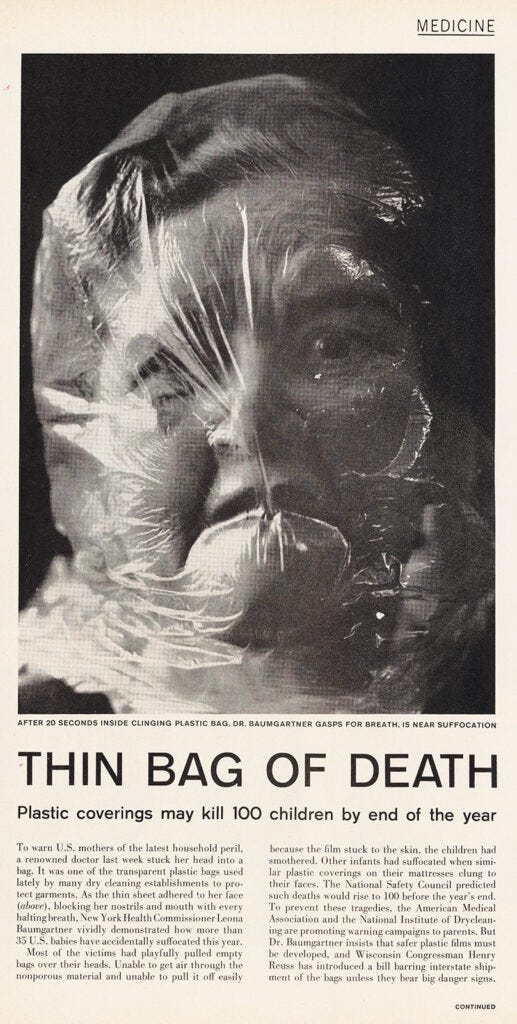
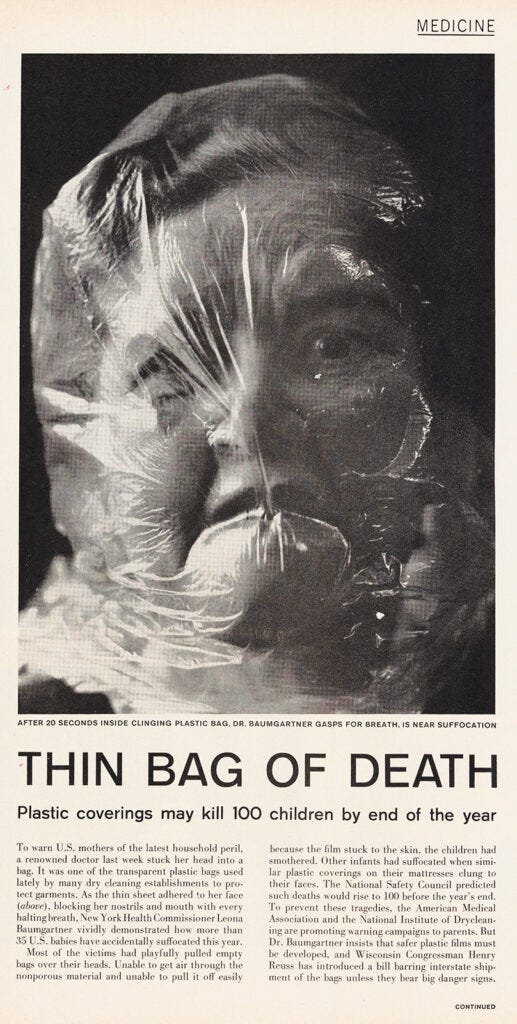
Science History Institute on 1950’s plastic bag deaths: This Bag Is Not a Toy
NYC’s Waste Characterization Studies
Have a question you want us to answer? Email us at mannynoahdevan@gmail.com or leave a voicemail at (860) 325-0286.
And once, more, just in case: fill out the NST listener survey here.
Lastly, if you like the show, drop us a five-star review wherever you listen to podcasts, and share with a friend, family member, coworker, neighbor, mail deliverer, and/or roommate. It really helps a lot!
Hi, new listener here! I enjoy the group's affable dynamic and genuine curiosity.That said, I had several questions about the info provided in this episode. For example, once materials are baled, what happens next? They mention selling it, but what does that market look like? What happens to bales that don't sell, and how common is that?
When refuting the 9% recycling figure, the guest shifted responsibility back on consumers and insisting it's not the fault of the recycling companies, even though no one thinks it is. Are Manufacturers and Industrial level waste also accounted for in these figures? Many local governments don’t or can’t afford to provide adequate recycling access in the first place.
Circular Services is impressive, but as a private company, I'd guess their tech is only accessible to large, well-funded municipalities like NYC.
I do agree that “recycling” gets all the attention while “reduce” and “reuse” are largely ignored, despite being more effective than recycling.The facility seems genuinely cool, but parts of the conversation felt a bit more like a sales pitch, and that left me a little skeptical of the actual stats. They’re not a recycler, they’re a repackager. And you can package up all you want but if no one is buying it we are still in the same predicament, just differently shaped.